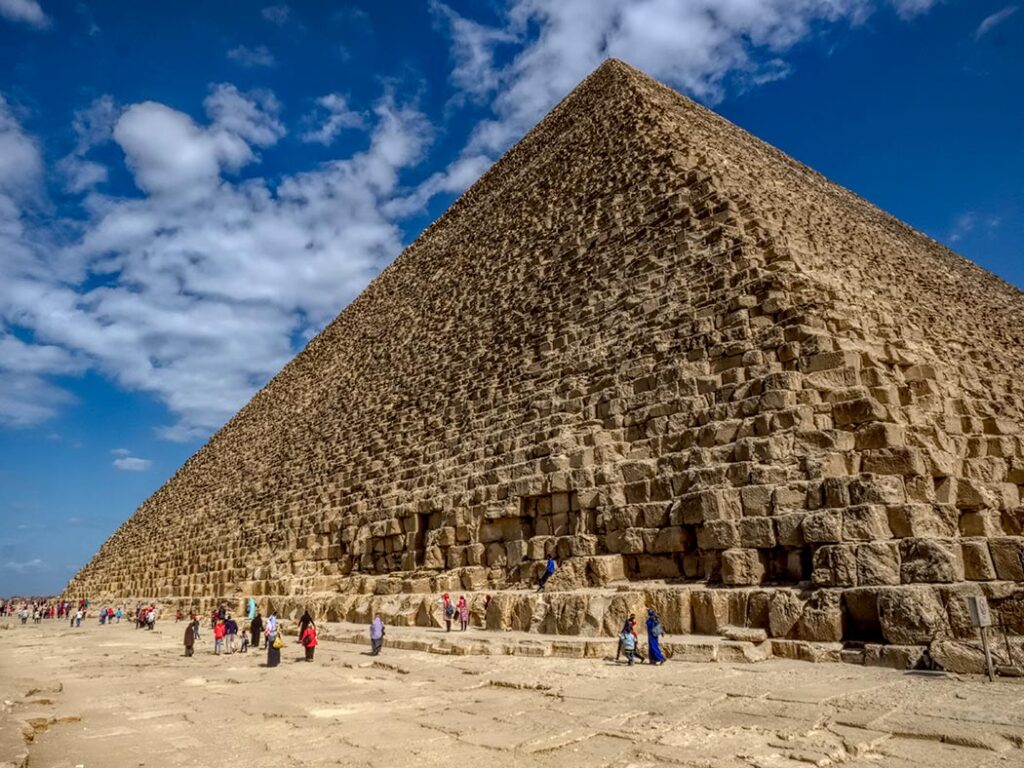
The pyramids are mesmerising.
If you ever see a pyramid up close, it will blow your mind for sure.
How are these things standing for 4,000 years?!
But but but…
Who built them so long ago?
How did they build them?
And why did they build them in the first place?
You have these questions, right?
Me too.
Let’s find out together.
🏜️ Giant Stone Secrets: What Is a Pyramid?
A pyramid is a giant stone mountain… but not just any mountain.
It’s a tomb—a special place where a pharaoh was buried.
But wait. Not buried like we think of today.
The ancient Egyptians believed that if you built something strong enough, big enough, and magical enough… the pharaoh could live forever.
So they didn’t just build a grave.
They built a launch pad to the afterlife.
👑 Meet the Pharaoh: King, Queen, and God on Earth
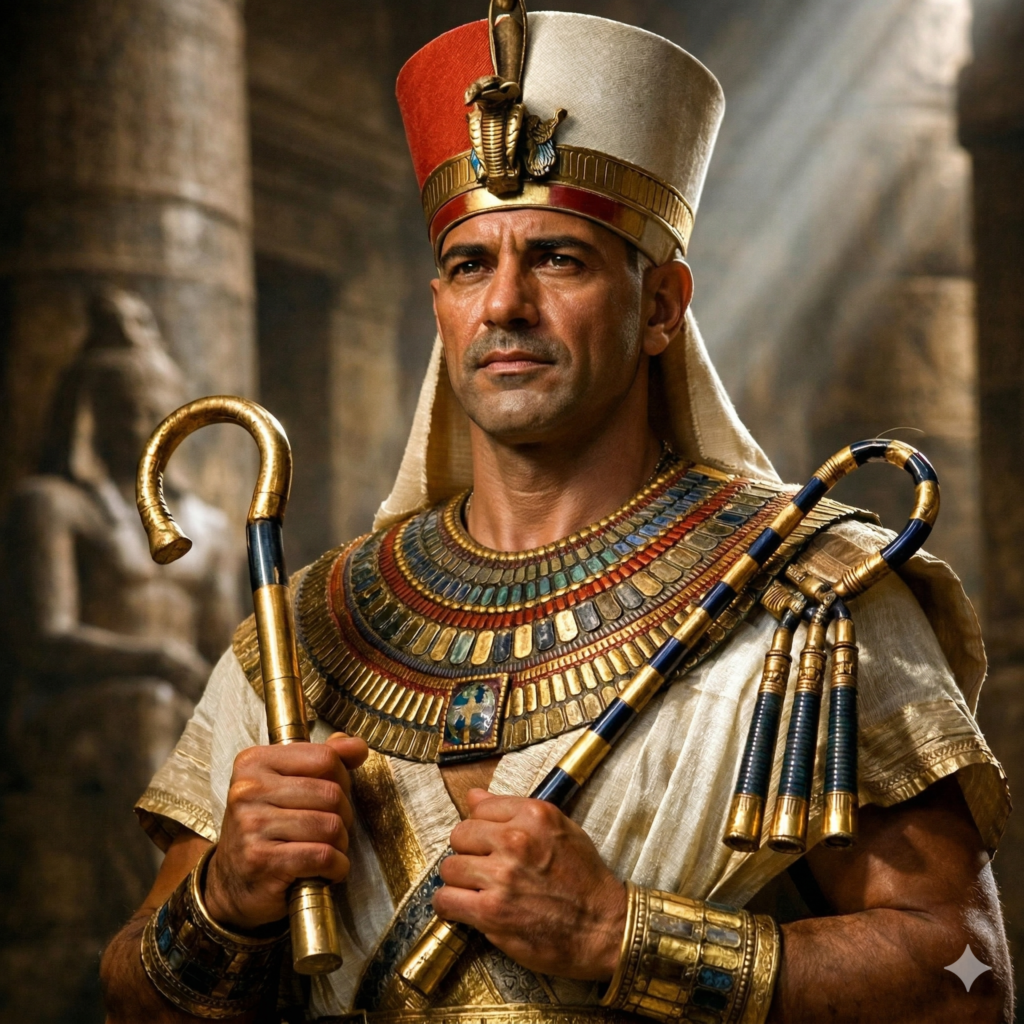
A pharaoh was the ruler of ancient Egypt—king or queen, god‑on‑earth, and the most powerful person in the land.
They wore a double crown to show they ruled both Upper and Lower Egypt.
They carried a special staff and a whip called a crook and flail—symbols of leadership and protection.
People believed pharaohs were chosen by the gods. So when a pharaoh died, it was a huge deal. The whole kingdom stopped to prepare them for their next life.
🎁 Treasure Chest Bigger Than Your School
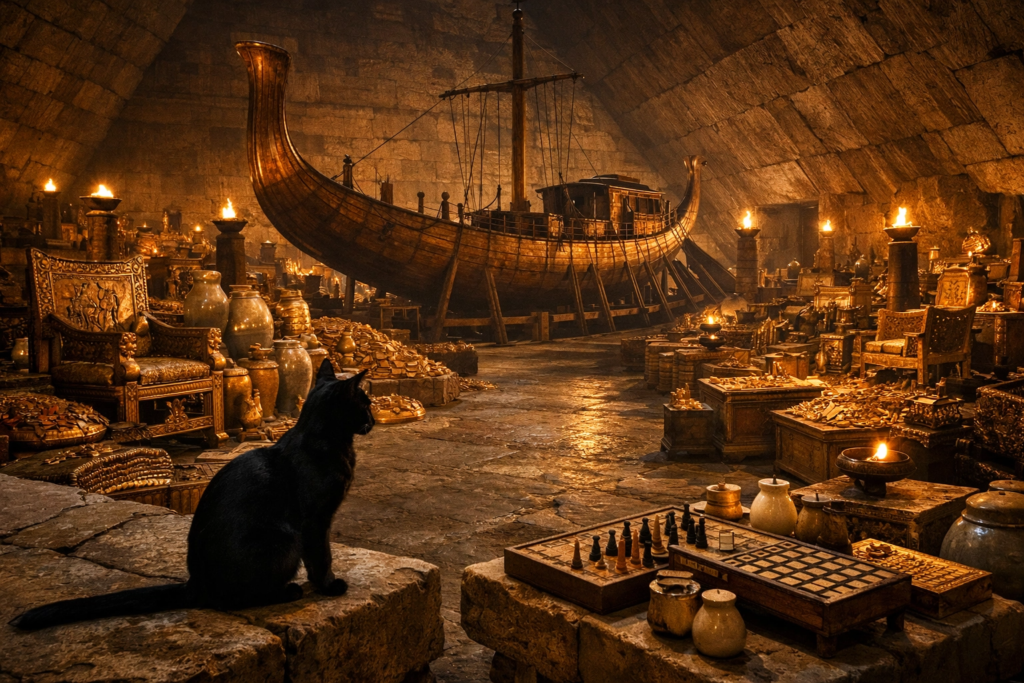
Picture the most epic bedroom you can imagine — now fill it with gold, games, furniture, and pets. That’s roughly what they buried inside a pyramid.
The pharaoh got gold and jewels to show their royalty, and thrones and beds because even in the afterlife, comfort matters. They packed board games like Senet — a game of luck and skill — because who wants eternity to be boring? There were jars of honey, bags of grain, and dried meat so the pharaoh would never go hungry. And boats — actual boats — so the pharaoh could sail across the sky with the sun god Ra.
They even mummified pets. Cats, dogs, sometimes lions. Because if you’re going to live forever, you want your friends with you.
The pyramid wasn’t just a tomb. It was a fully packed home for the next life.
☀️ Ra: The Sun God Who Loved Pyramids
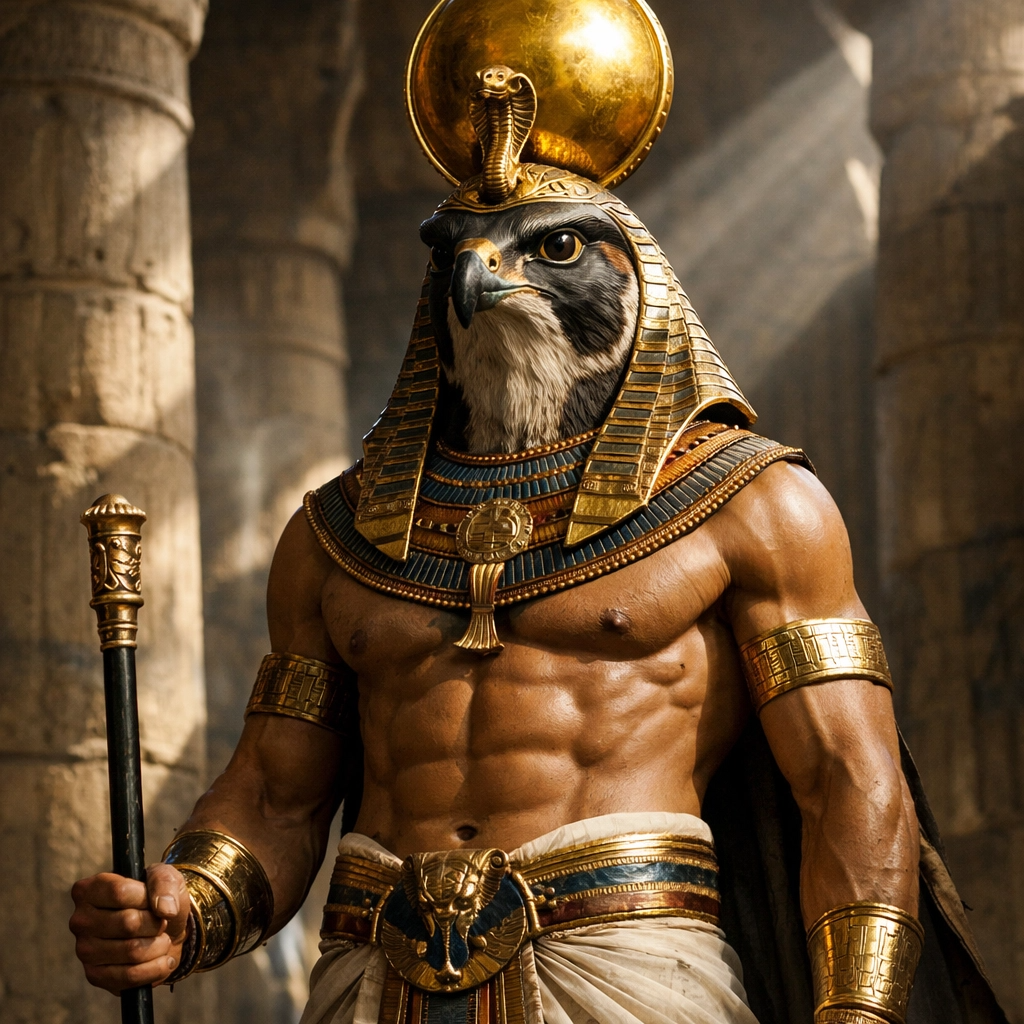
The most important god for the pyramids was Ra, the sun god.
The Egyptians watched the sun rise and set every day. They noticed how its rays spread out like giant ramps touching the earth. They believed those rays were Ra’s pathway.
If the pharaoh climbed those sunbeams, he would join Ra and live forever.
So the pyramid’s shape wasn’t random—it was a stairway to heaven carved in stone. The pointed top, called the pyramidion, was often covered in gold or electrum (a mix of gold and silver) to shine like the sun itself.
🌊 The Secret Superhero: The Nile River
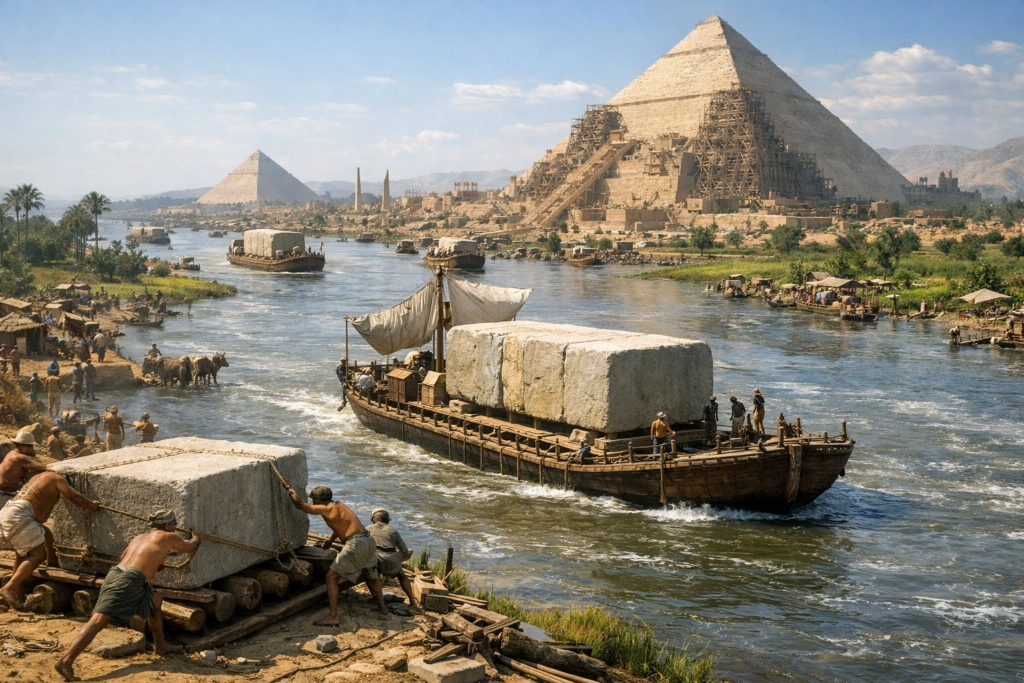
None of this would have been possible without the Nile River.
Every year, the Nile overflowed its banks—a great flood that soaked the land.
Most people think floods are bad, but for the Egyptians, it was the most wonderful time of the year.
Here’s why:
- The flood brought rich, black soil that made crops grow like magic.
- While the fields were underwater, farmers couldn’t work the land. So they became builders—thousands of strong, available workers ready to move stones.
- The flood turned the Nile into a giant water highway. Massive boats could sail right up to the pyramid site carrying stones that weighed as much as a whale.
Without the Nile and its annual flood, the pyramids would never have been built. It was the engine behind the whole operation.
👷 Meet the Real Builders (Spoiler: Not Aliens!)
Not aliens.
Not slaves.
Real people. Thousands of them.
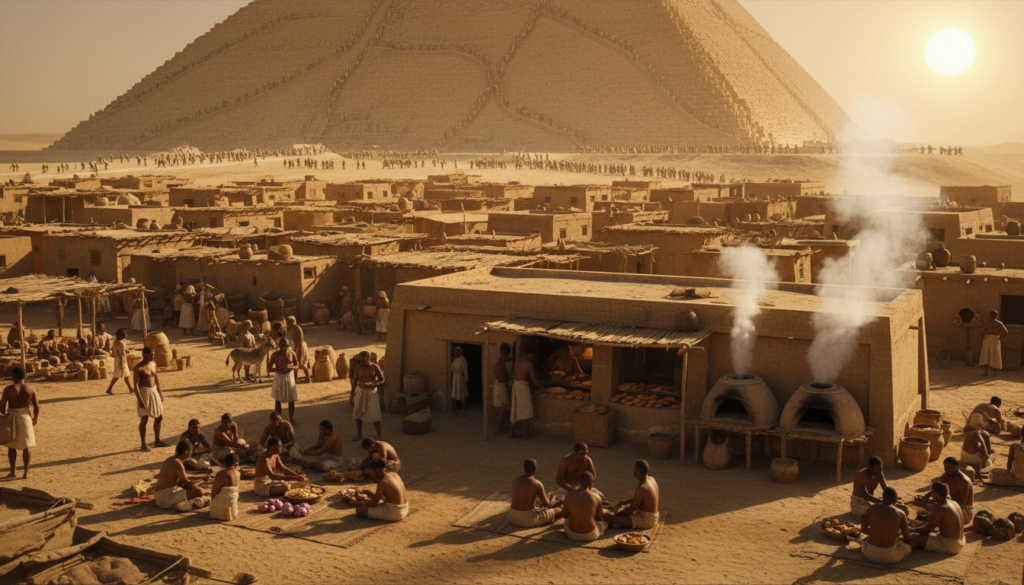
Archaeologists found their village—a whole city just for pyramid builders.
There were bakeries that baked bread every day.
There were breweries that made beer (the workers drank it like a healthy drink!).
There was even a hospital where workers got their bones fixed if they broke something on the job.
These workers were paid.
They got fish, bread, onions, and beer.
And when they died, they were buried right next to the pyramids they helped build—a huge honour.
🧠 Moving Mountains: How Did They Do It?
Imagine trying to move a stone heavier than a school bus.
No cranes. No trucks. No iron wheels.
So what did they use?
Brains.
First, they poured water on the sand in front of a wooden sledge. Wet sand is slippery — the sledge slides twice as easily. Picture thousands of workers pulling enormous stones across the desert, with other workers running ahead pouring water like a conveyor belt. Scientists actually proved this in 2014 after spotting it in an ancient Egyptian painting.
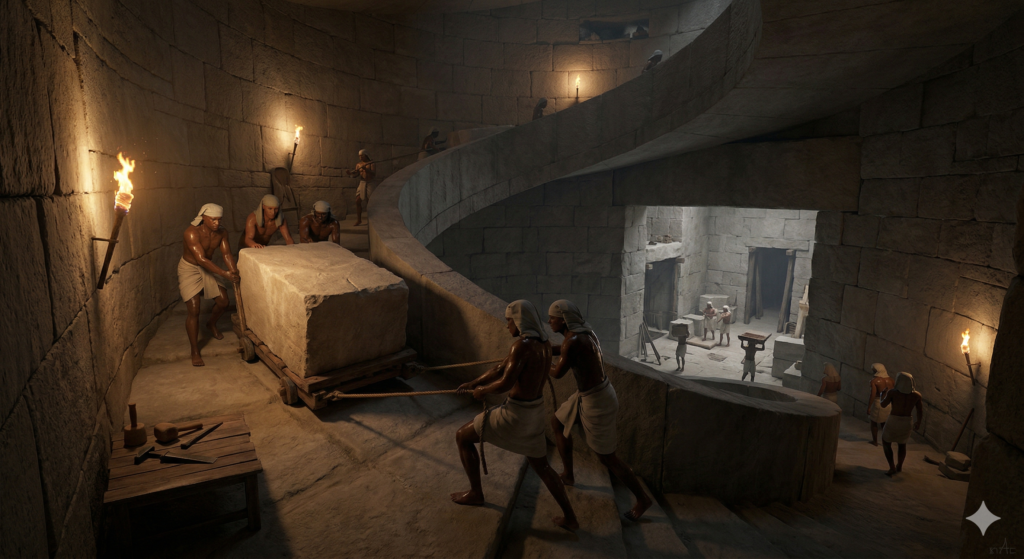
Then came the secret ramp. Not the kind outside a building — scientists discovered in 2017, using special X‑ray cameras, that the builders hid a ramp inside the pyramid itself. It spiralled upward like a parking garage, hidden within the walls, allowing workers to drag stones higher and higher as the pyramid grew. They weren’t working on the outside at all. They were building from within.
No machines. Just clever tricks, teamwork, and time.
⏳ Patience of Giants: 20 Years of Work
The Great Pyramid took about 20 to 27 years to build.
That’s like working every year, a few months at a time, for a whole generation.
And when it was done…
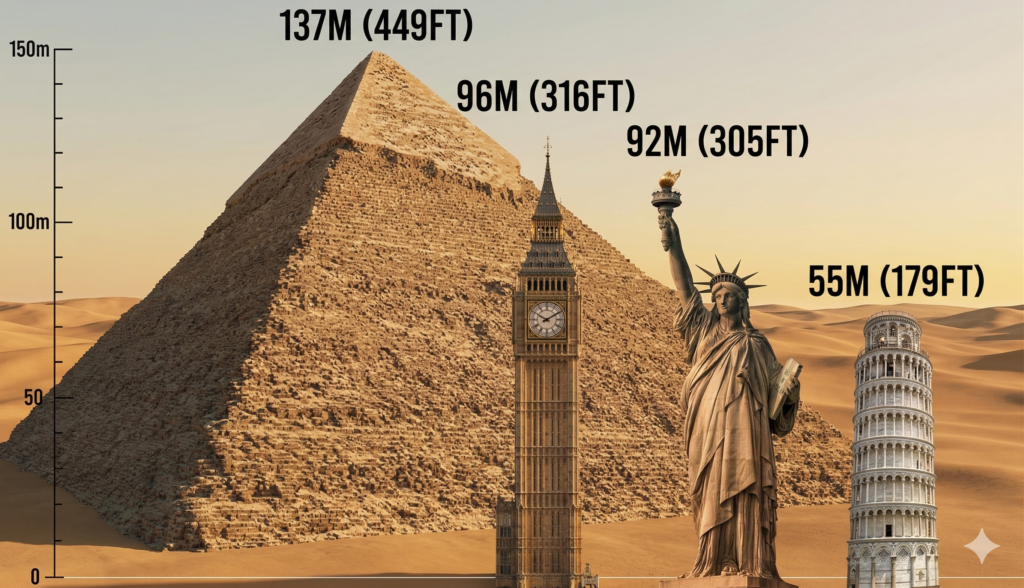
It stood 146 metres tall.
That’s taller than Big Ben.
For 3,800 years, it was the tallest human‑made thing on Earth.
🔢 Mind‑Blowing Numbers: Bigger Than You Think
- 2.3 million stone blocks – each weighing between 2 and 80 tonnes (that’s heavier than a whale!).
- 53,000 square metre base – it could fit over 10 football fields.
- Level to within 2 centimetres across 230 metres – that’s more level than most modern floors!
They lined up the sides with the compass points using stars, shadows, and wooden tools. No computers. No lasers. Just pure skill.
🏃♂️ Why Did They Stop? (Robbers Had a Plan)
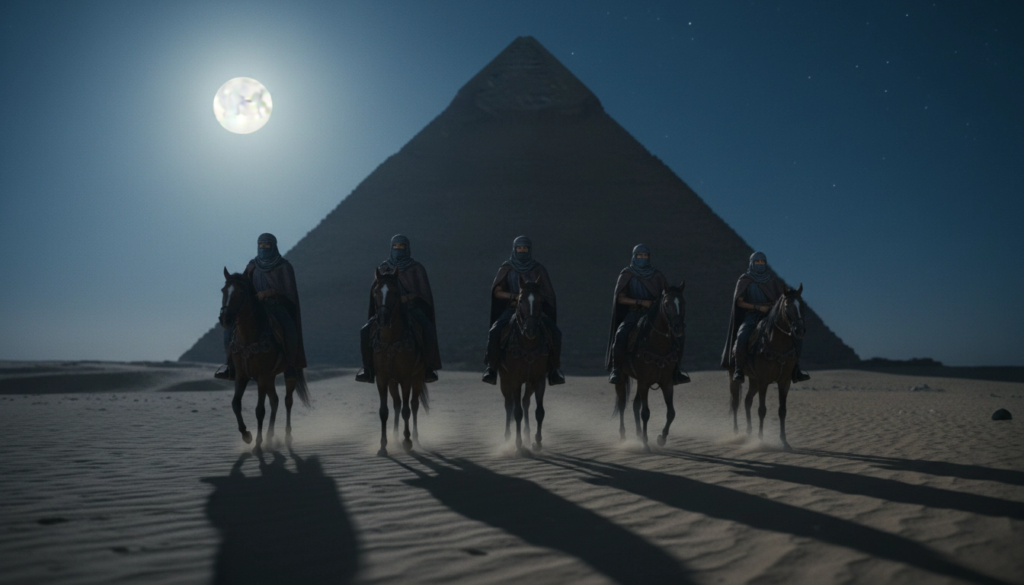
Later pharaohs realised pyramids were too easy to spot.
Robbers snuck in and stole all the gold and treasures.
So they started hiding their tombs in a secret valley—the Valley of the Kings.
But the pyramids?
They stayed.
And today, they still stand—4,500 years later—daring us to figure out how they did it.
🛸 The Big Question: Aliens or Humans?
Nope.
Just 25,000 brilliant humans and the most organised project in ancient history.
Now next time you see a picture of a pyramid, you’ll know the real secret:
It wasn’t magic.
It was the Nile, the flood, and thousands of people working together across generations.
Pretty mind‑blowing, right?
🌟 Fun Fact to Impress Your Friends
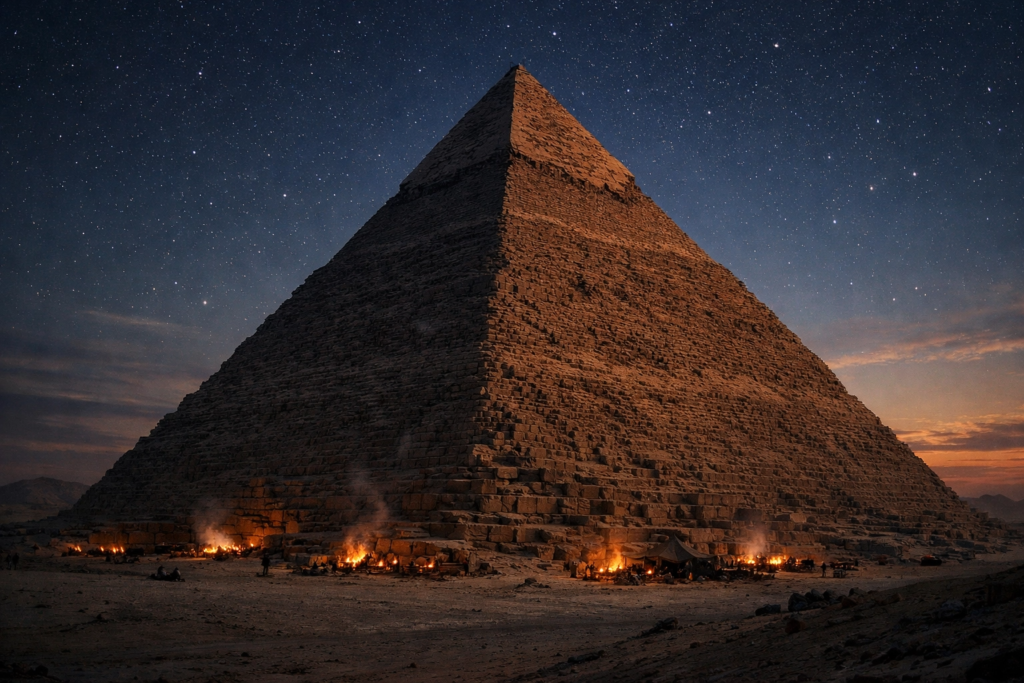
The Great Pyramid used to be covered in smooth, white limestone casing stones that made it gleam like a giant mirror in the sun. People could see it shining from miles away! Over time, most of those outer stones were taken to build buildings in Cairo. But if you look closely at the top of the pyramid, you can still see a few of them in place—the last glittering pieces of a 4,500‑year‑old masterpiece.